

-
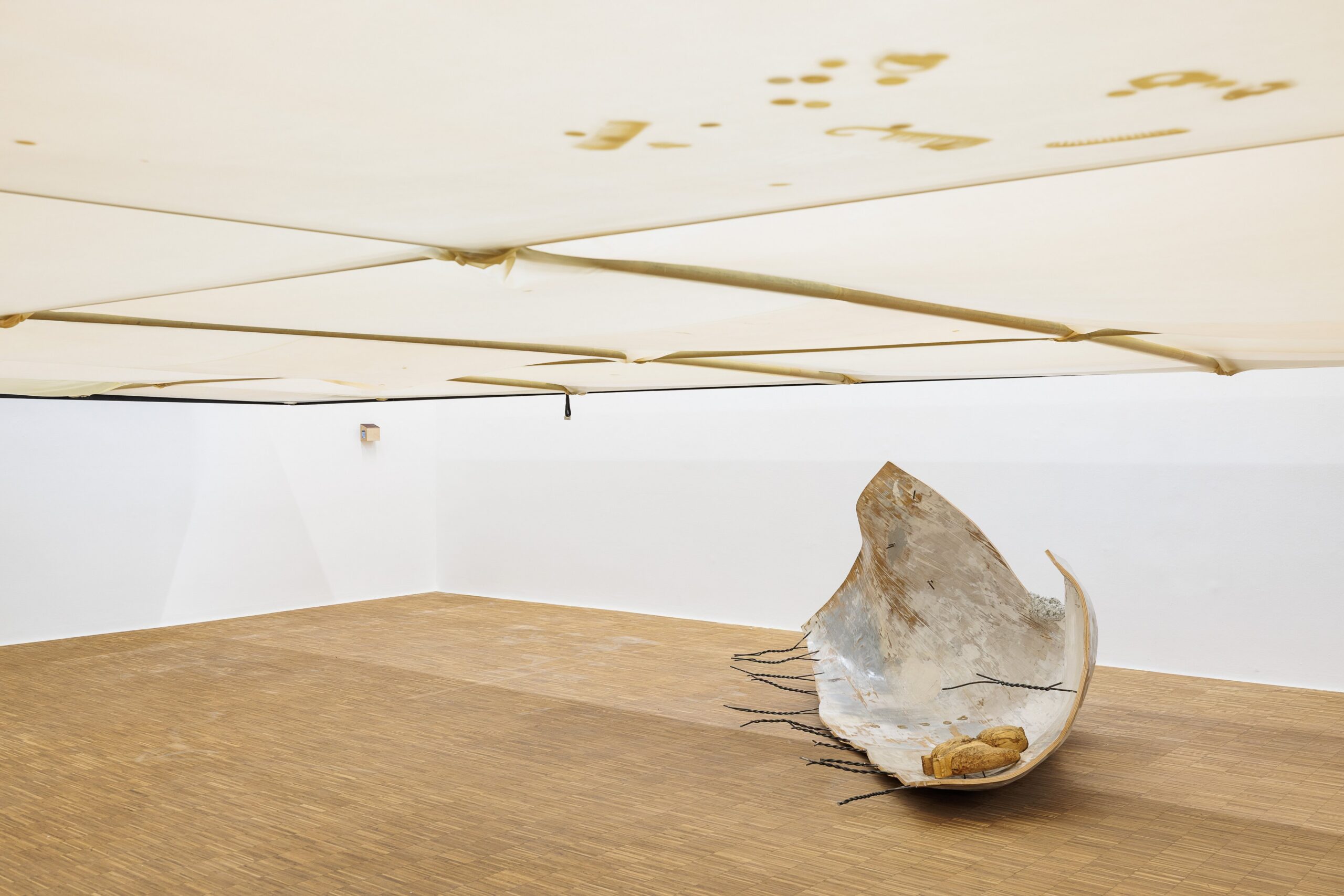
Objects Outside Purpose, Places Outside Categories
-
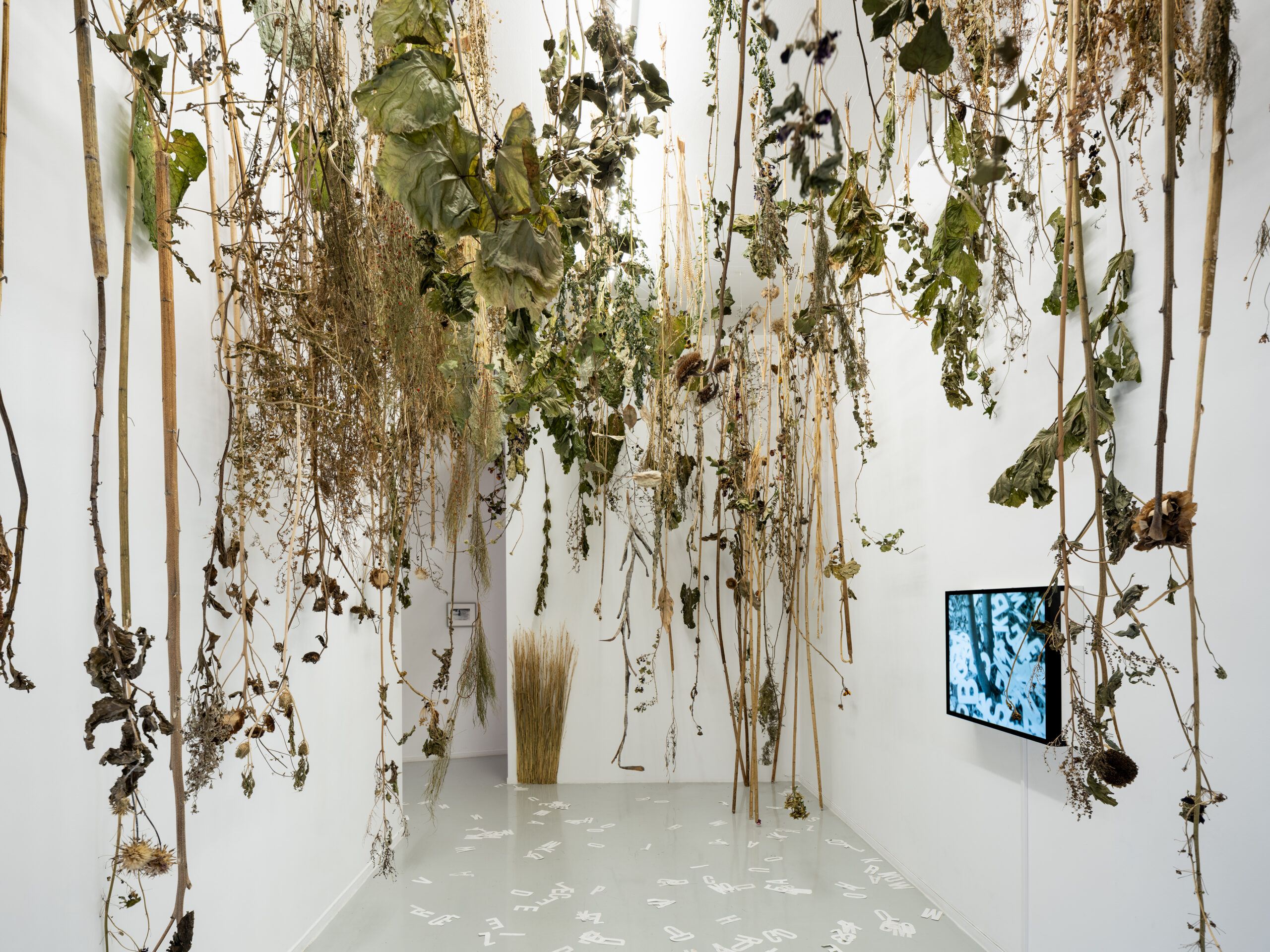
A History Forged in Coal and Steel of Lorraine
-
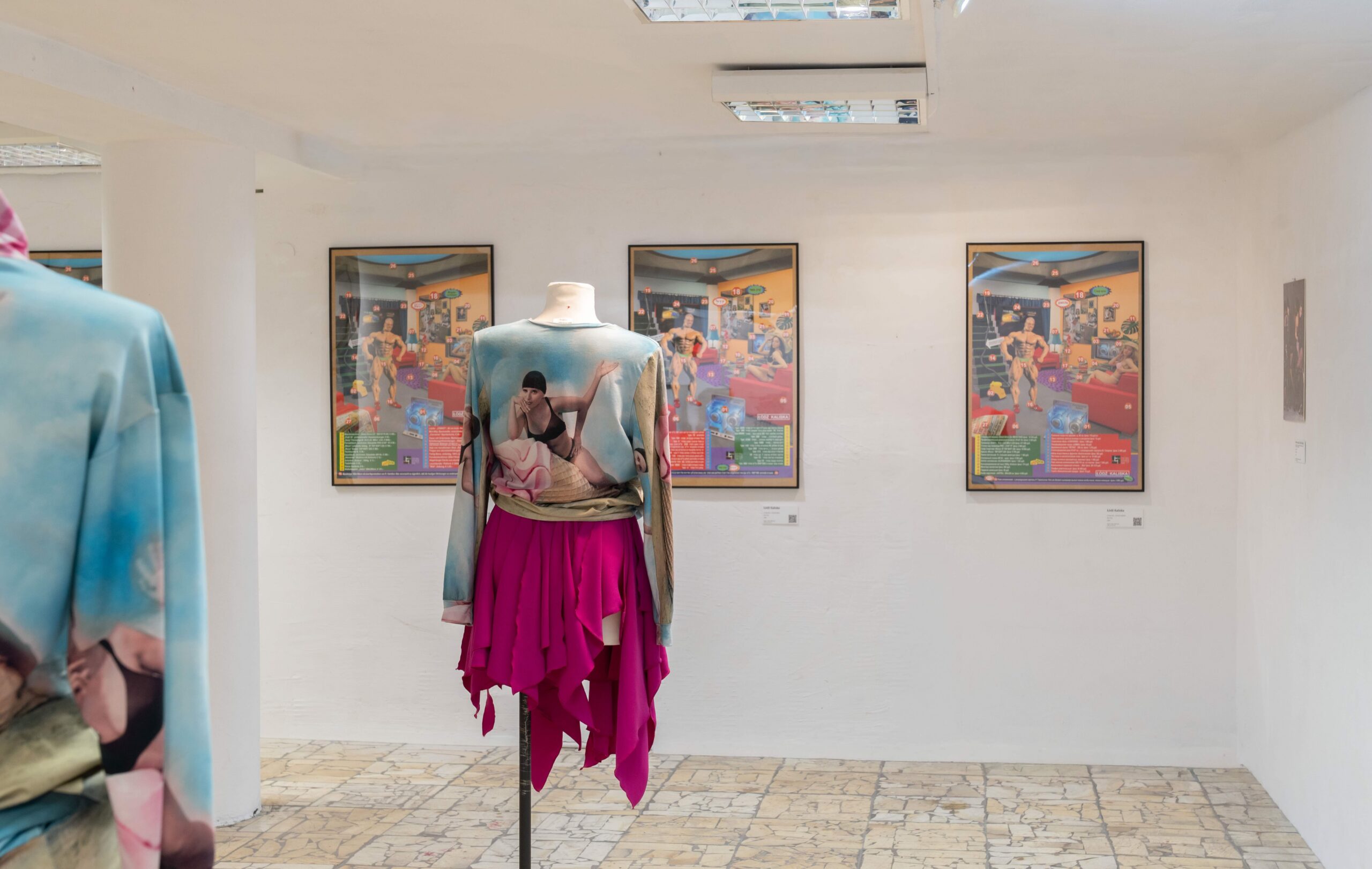
How Łódź Kaliska and Patrycja Plesiak Reimagine Pop Art from a Polish Perspective
-

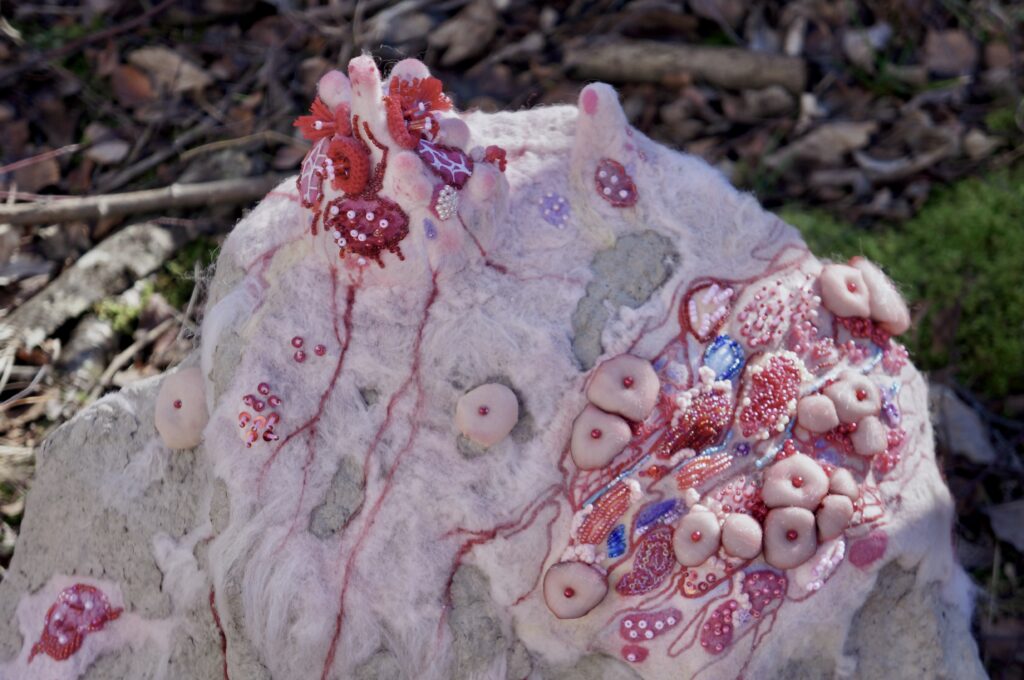
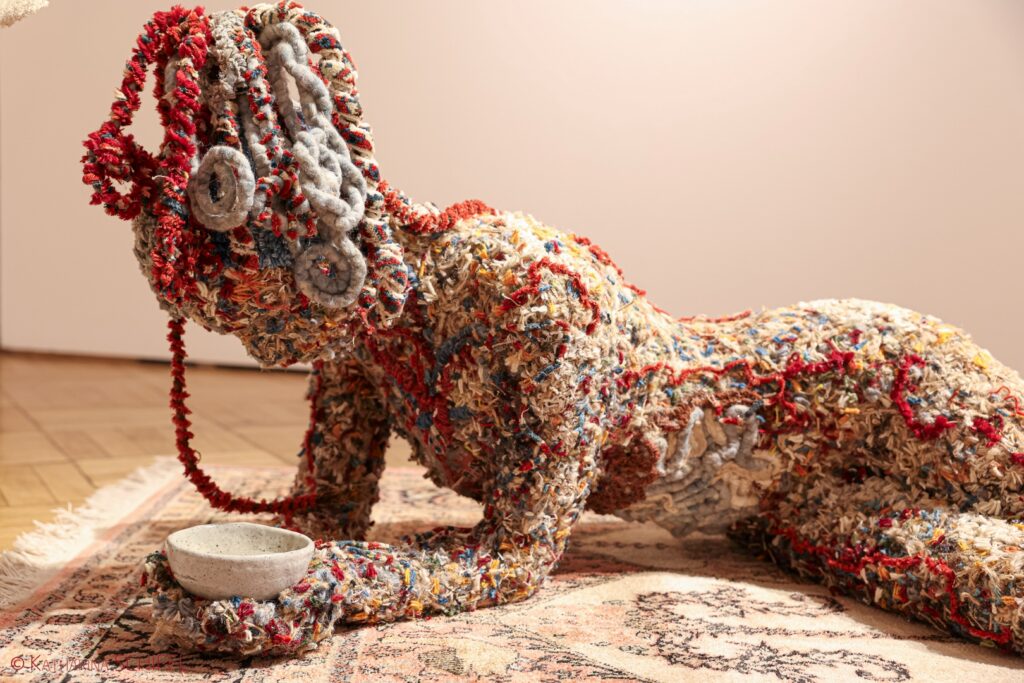
Interrogating the body
-
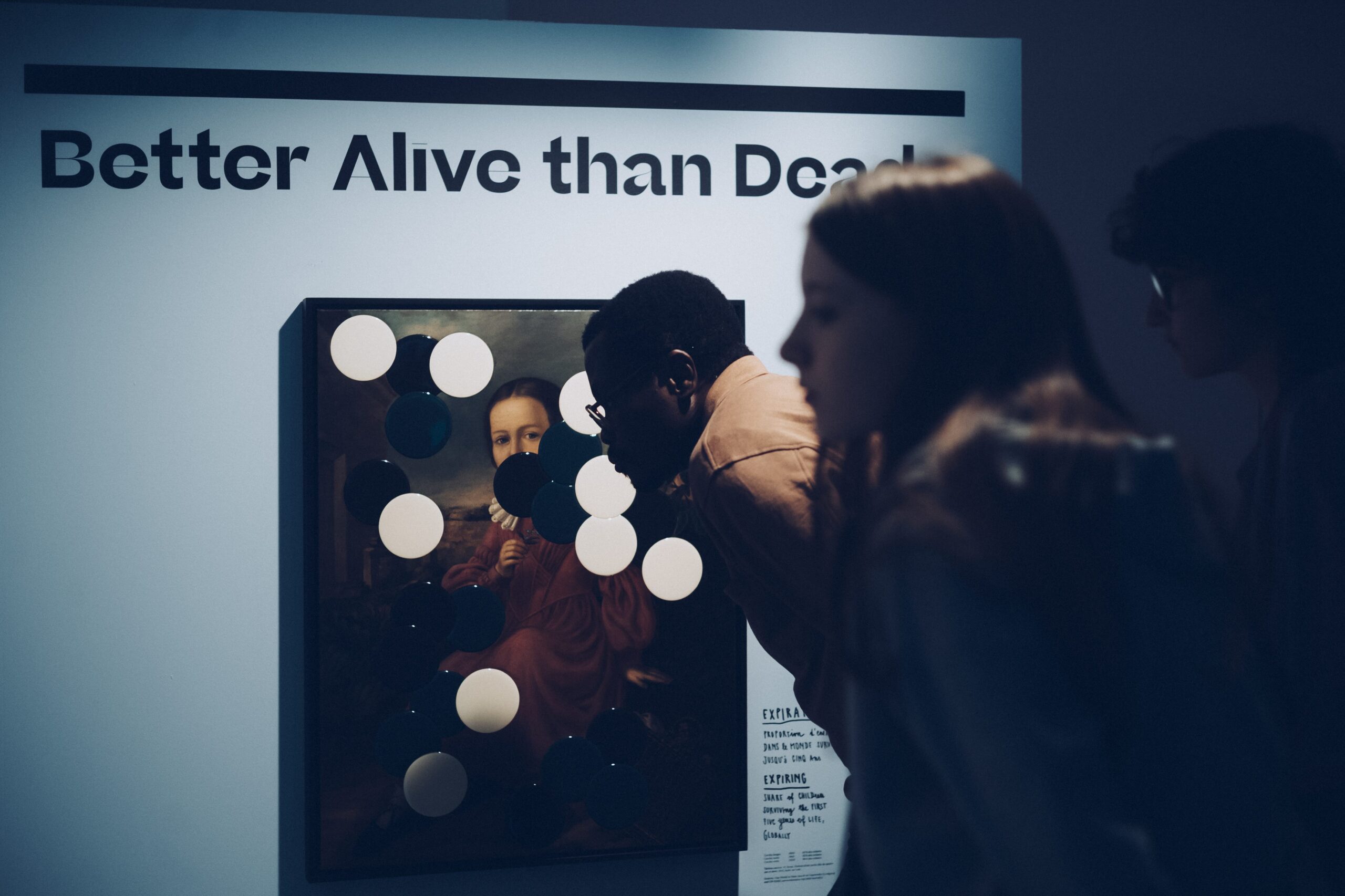
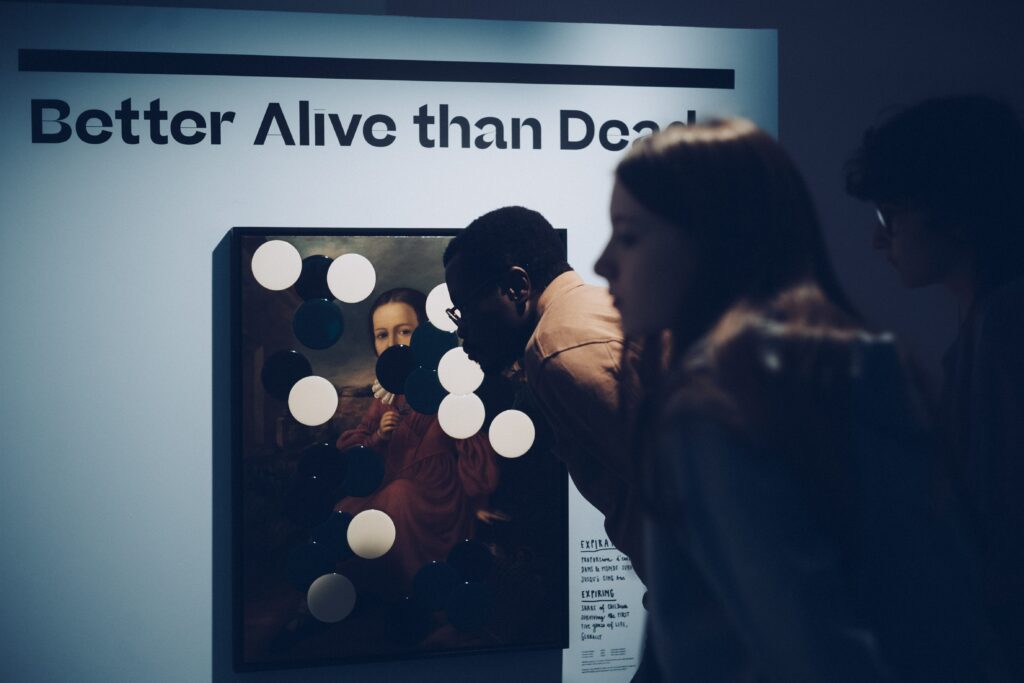
5 Exhibitions on Social Media, AI and the Battle for Our Attention
-
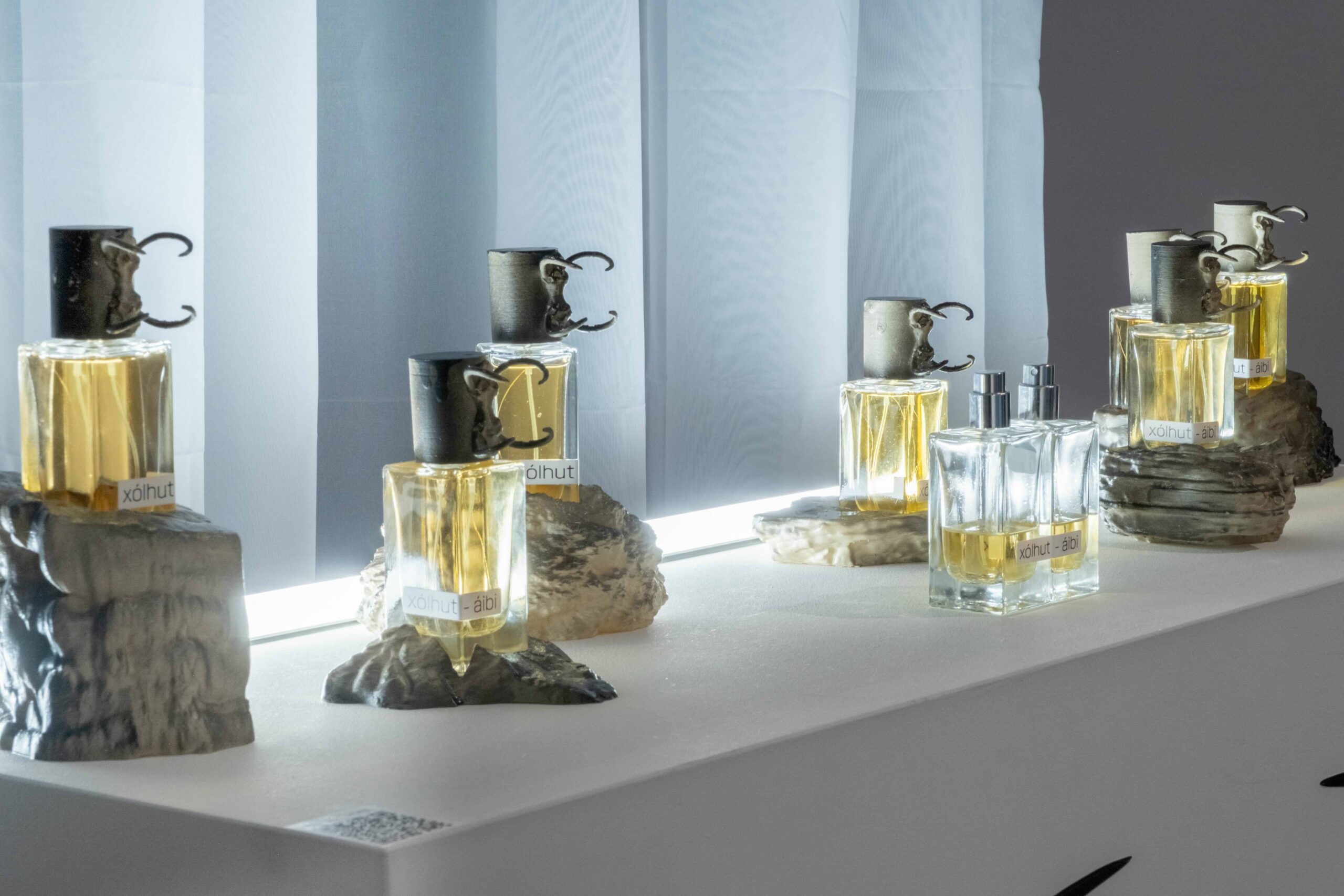
In Conversation with Mateusz Pecyna
-
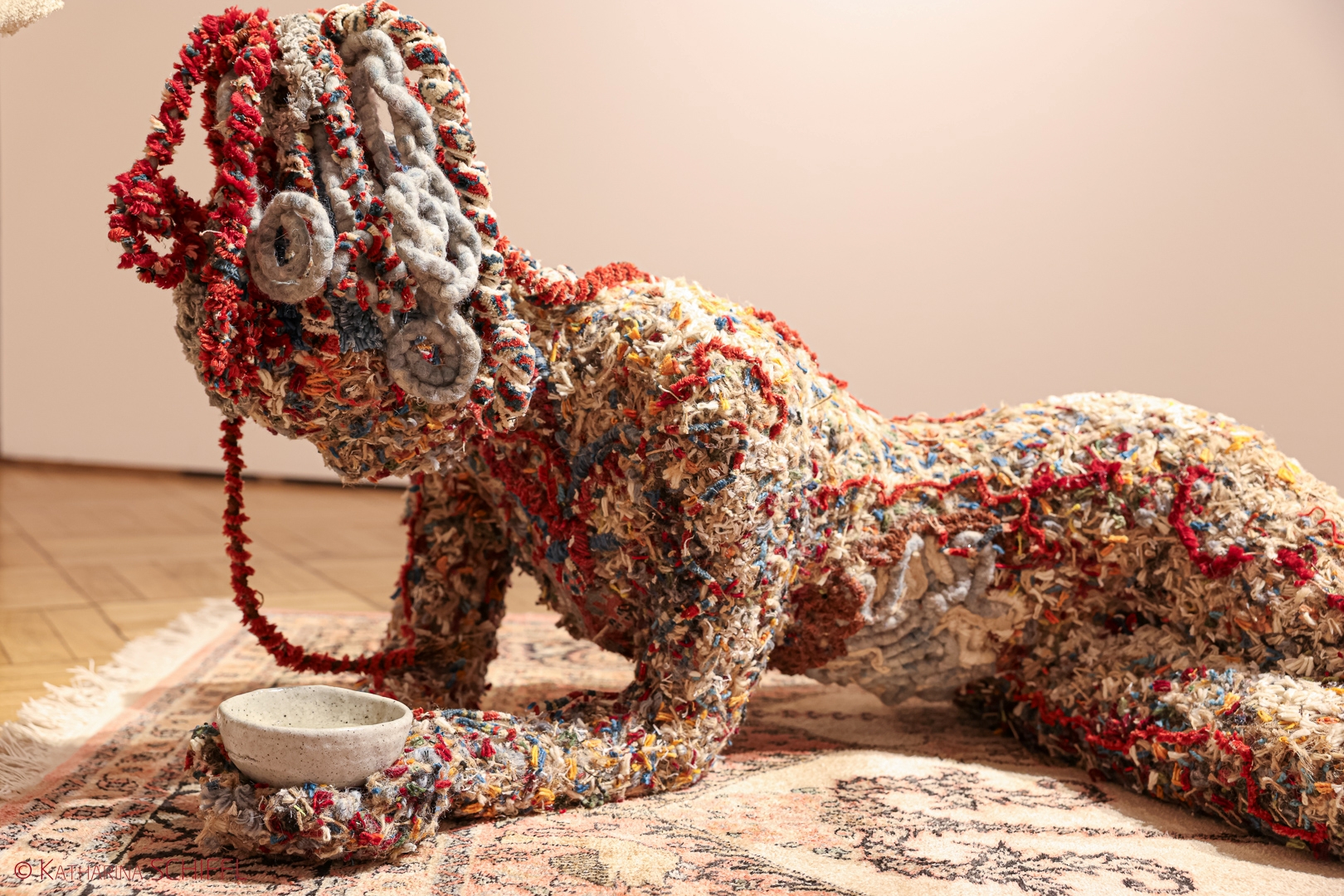
To Be Seen Without Being Defined
-
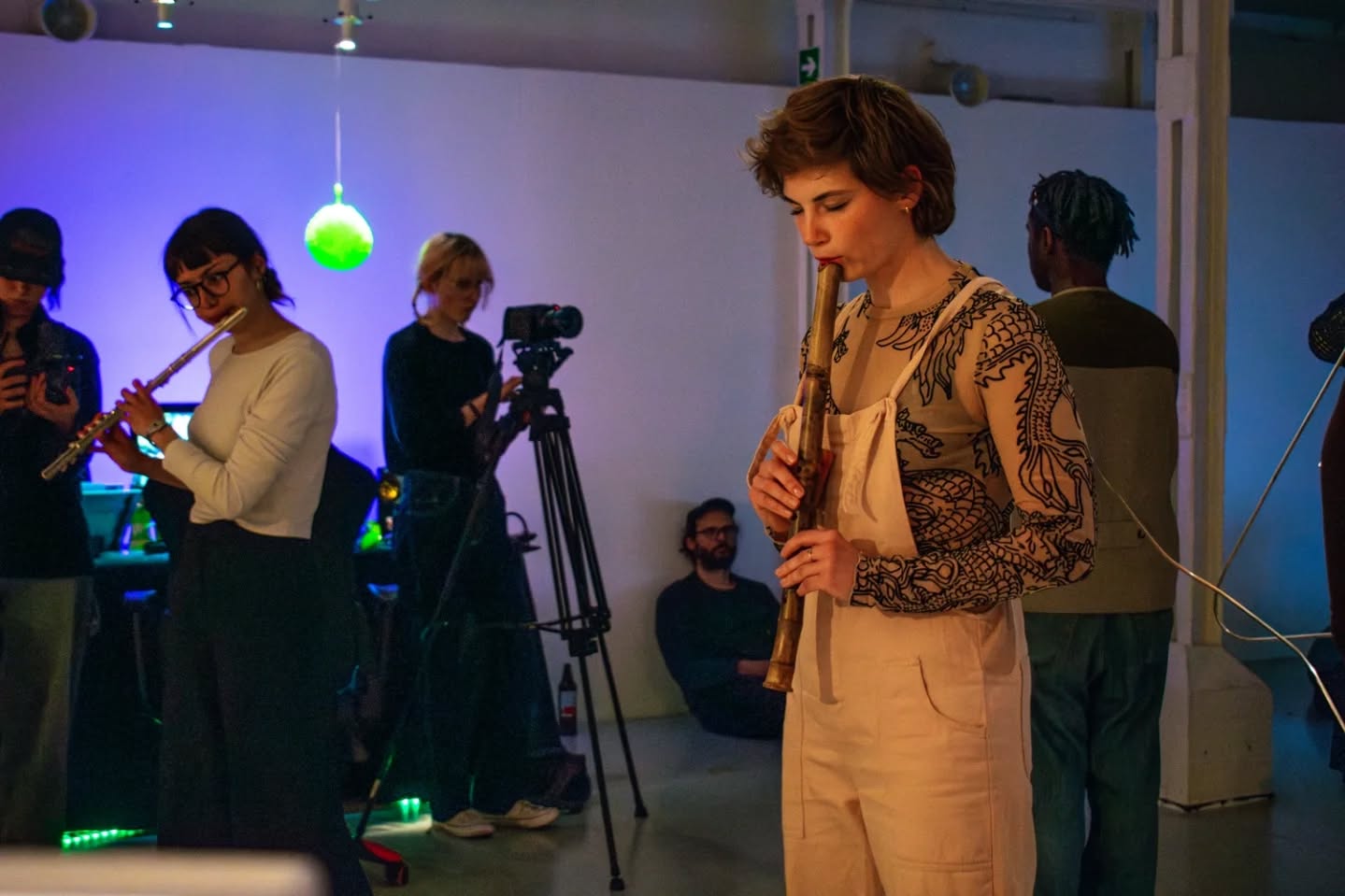
In Conversation with Andrzej Witczak and Zorka Wollny from TRAFO
-
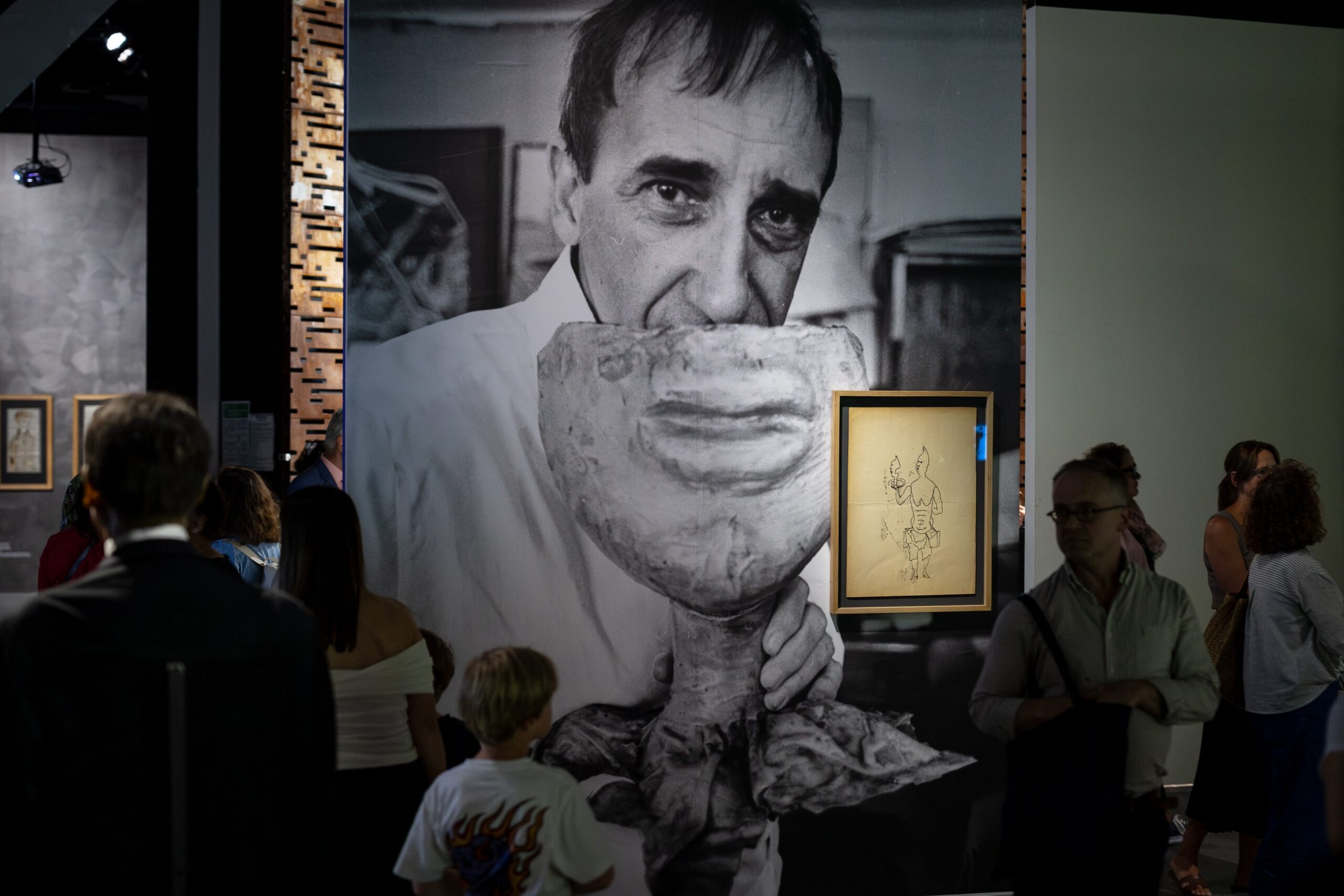
Single-Artist Museums Rethink the Artist-as-Genius Myth at Cricoteka in Krakow
-
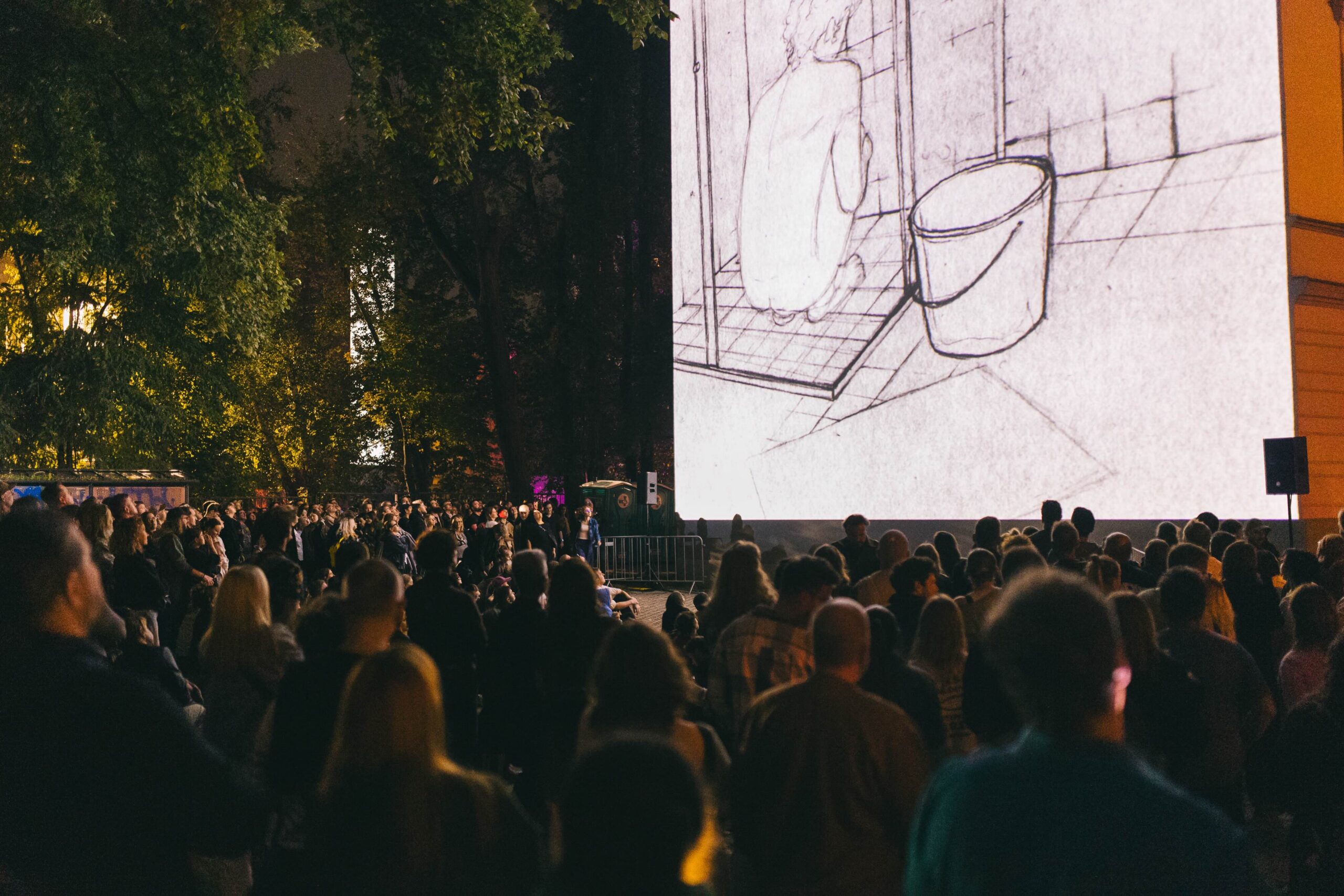
In Conversation with Luísa Bacelar
Latest
Hungry for more? Subscribe to our weekly Newsletter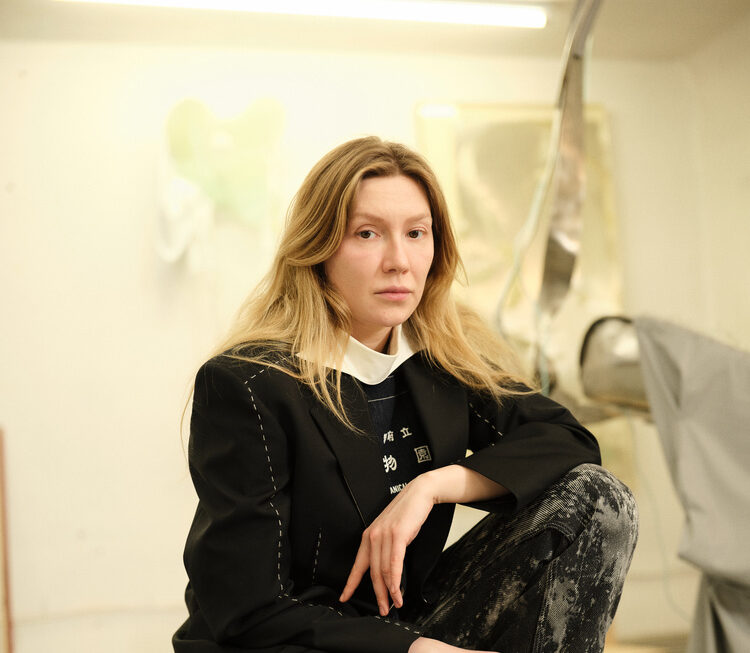
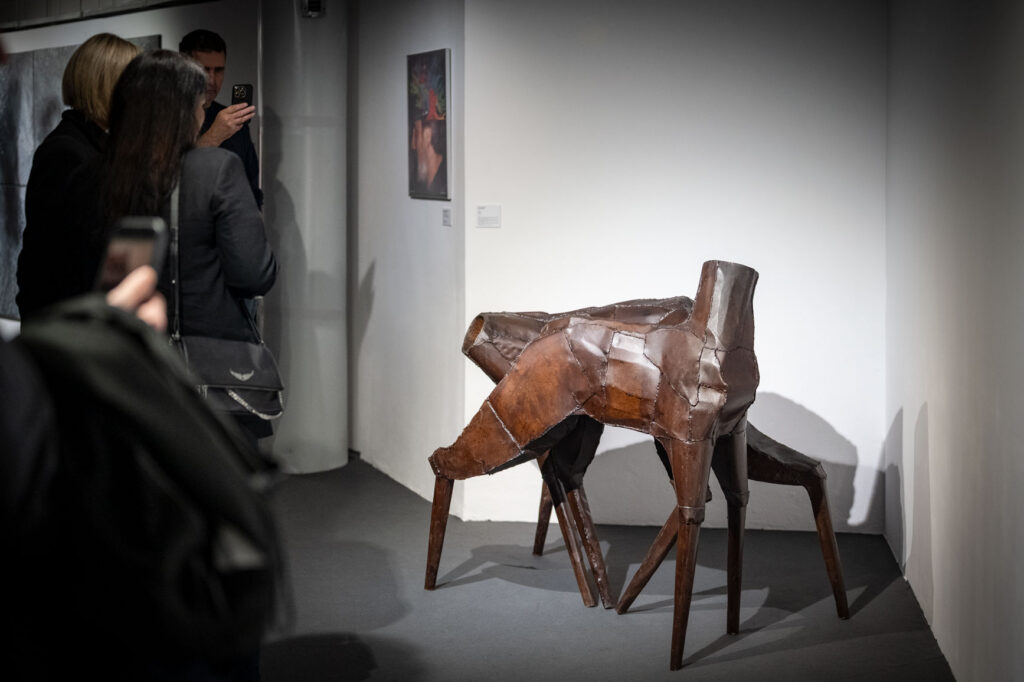
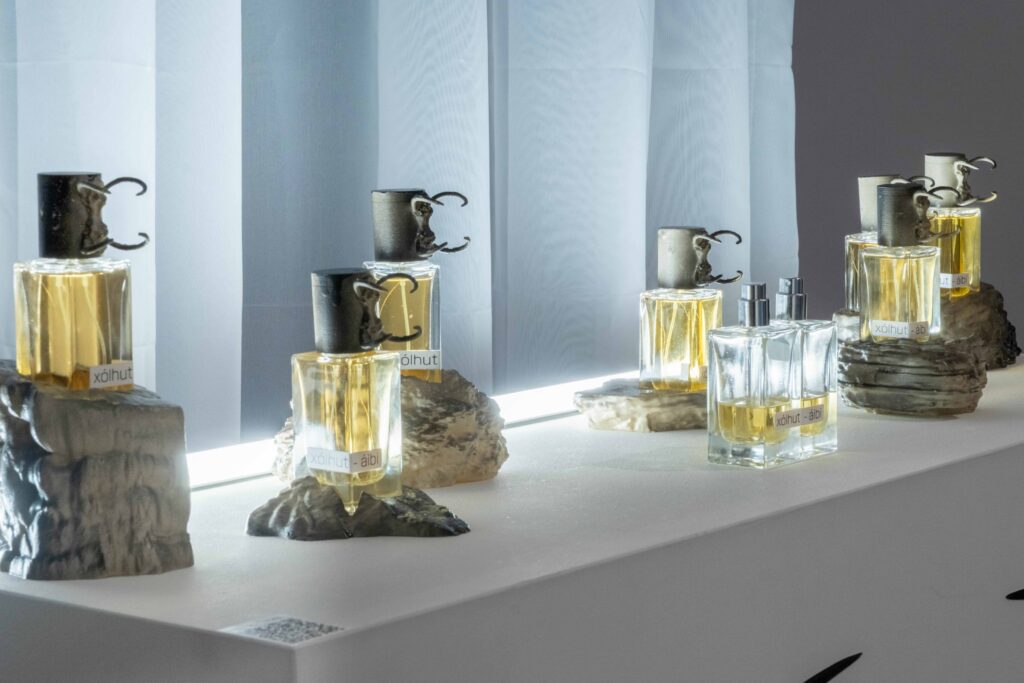
Linda Lach. Objects Outside Purpose, Places Outside Categories
Linda Lach thinks negatively. She attends to what remains between things, to spaces that resist being named. Rather than directing the viewer towards a predetermined interpretation, her work allows meaning to gather tentatively, an approach she describes as “negative presence”.
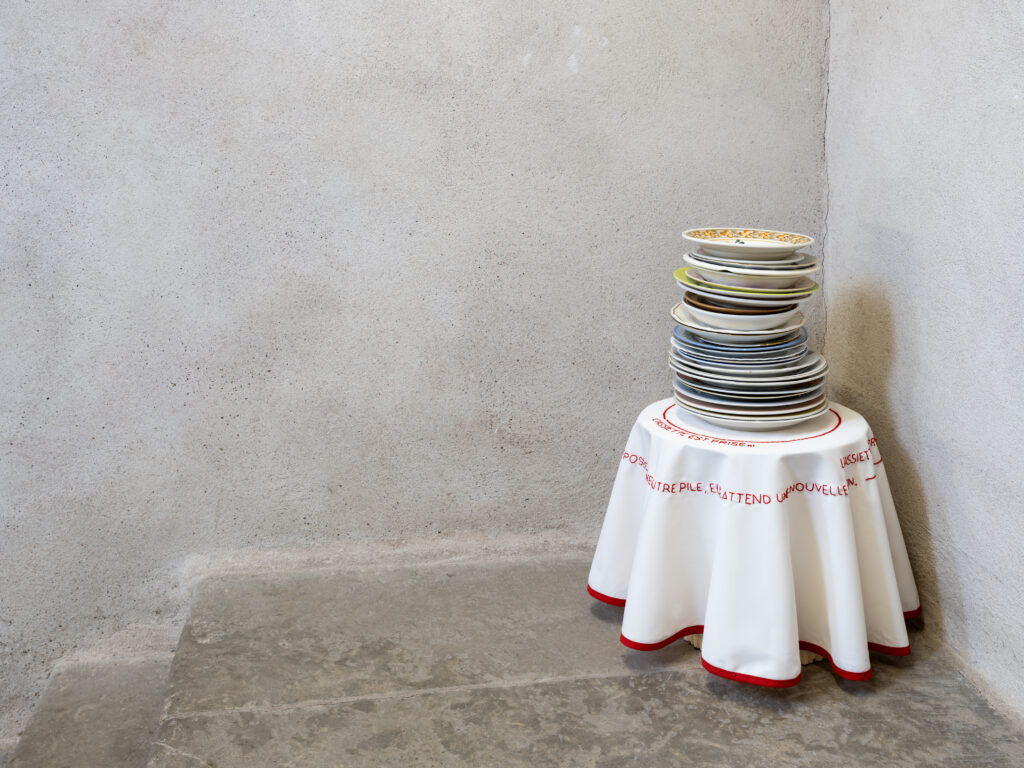
Photostory: Strangers Close to Home. A History Forged in Coal and Steel of Lorraine
Until 14 February 2027, the exhibition Familiar Strangers. Many Polands at 49 Nord 6 Est – Frac Lorraine in Metz invites viewers to discover the rich diversity of Polish culture, shaped by migratory patterns and enriched by minorities.

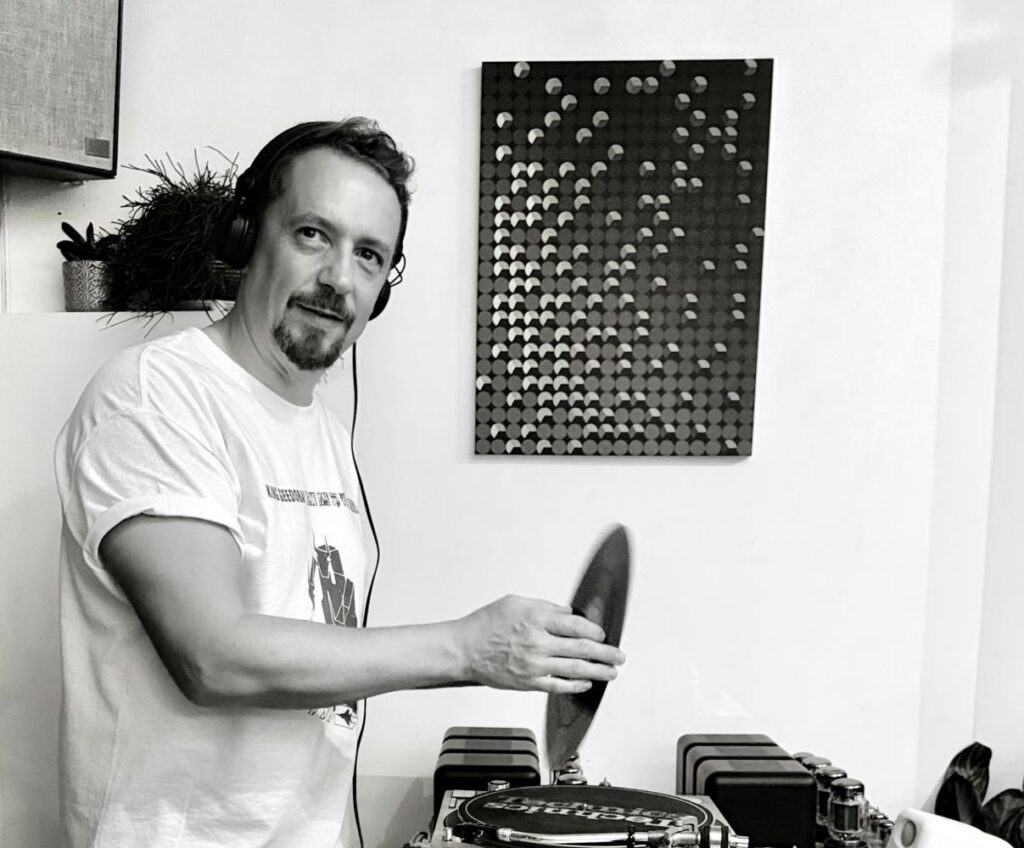
W1 Radio: Meet GODDESS, blending different cultures through music
GODDESS is a DJ duo formed by Arab ESECCARO and Latin-American Mayan LIL-E — two artists from opposite sides of the world who found common ground through music.

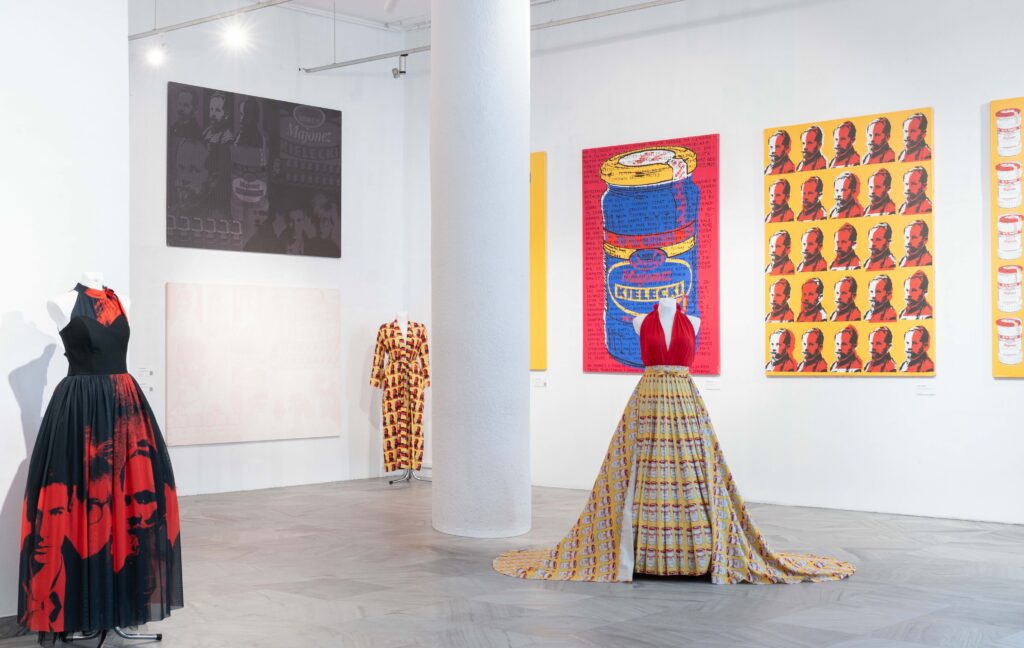
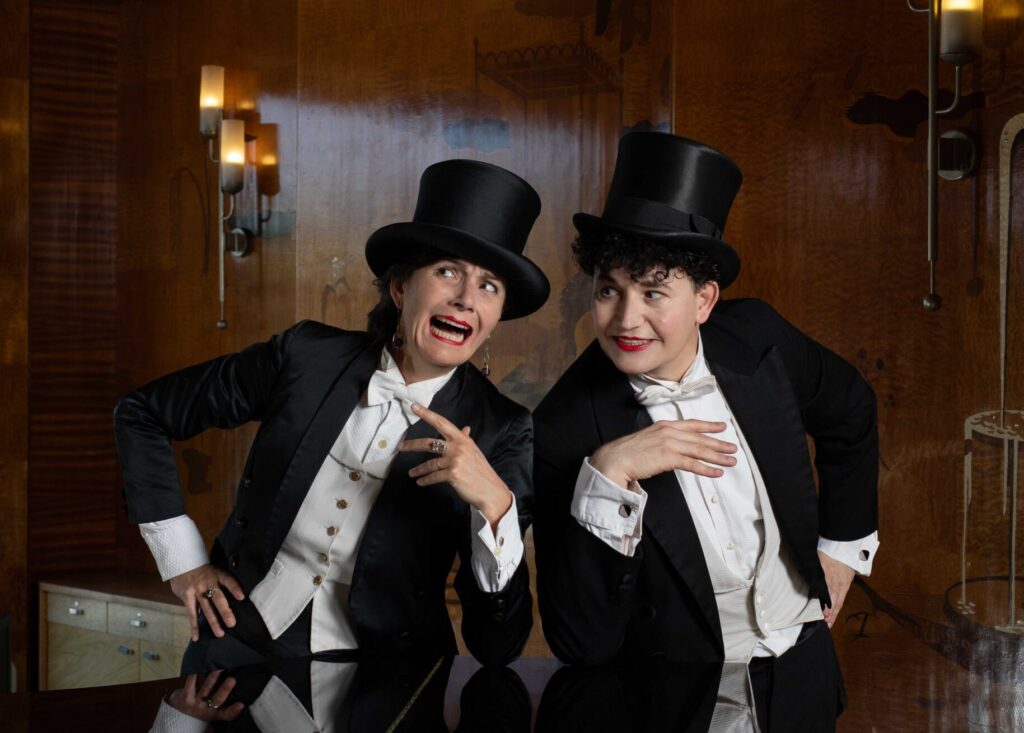
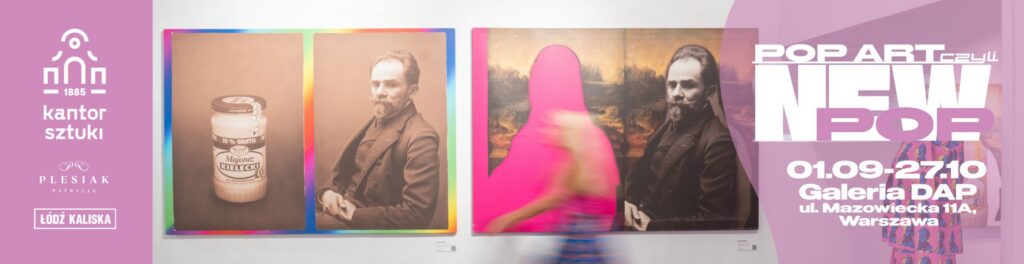
Dancing with Warhol: How Łódź Kaliska and Patrycja Plesiak Reimagine Pop Art from a Polish Perspective
Current Events
See Event Calendar
“I don't want to reach for tools simply because they're trendy.” In Conversation with Agnieszka Mastalerz